How Much Water to Drink Daily for Healthy Blood Pressure: Cardiologists Explain
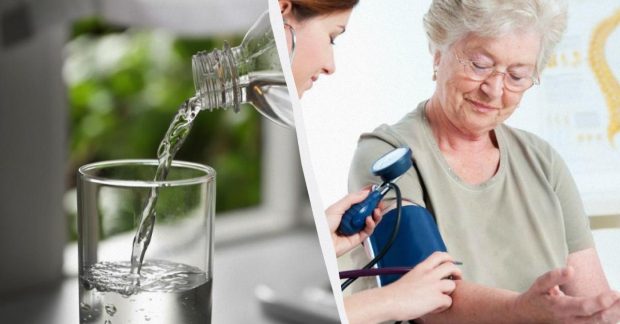
Renowned cardiologists have shared the optimal daily water intake for men and women, explaining how hydration directly impacts blood pressure levels.
 🩺Health
Photo: UNIAN
Key points
- The recommended intake is about 2.1 liters for women and 3.1 liters for men daily.
- Dehydration can reduce blood volume or trigger blood vessel constriction via hormonal mechanisms.
- Excessive water intake can also raise blood pressure, posing risks for those with heart or kidney conditions.
- Hydration is vital but works best alongside a healthy diet, low sodium intake, and regular exercise.
Maintaining an optimal water balance is crucial for the proper functioning of the human body, particularly for regulating blood pressure. Leading health experts note that insufficient fluid intake in the daily diet can either lower or raise blood pressure readings, placing additional strain on the cardiovascular system.
How Much Water Experts Recommend Drinking
According to cardiologists, women should drink an average of about 2.1 liters of water per day, which equals roughly 9 cups. For men, this figure is higher at approximately 3.1 liters, or about 13 cups. However, specialists emphasize that these figures are approximate, as individual needs depend on physical activity levels and overall health status.
Human blood is primarily composed of water, meaning that changes in fluid volume directly affect blood vessels. Vascular surgeon William Schutze points out that dehydration reduces the total volume of circulating blood. This leads to a drop in blood pressure and can trigger unpleasant symptoms such as sudden dizziness when standing up quickly.
The Impact of Dehydration and Excess Fluid on Vessels
On the other hand, the body attempts to compensate for a lack of fluids by releasing the hormone vasopressin. As Dr. Ethan Korngold explains, this substance causes the kidneys to retain water and narrows blood vessels, causing blood pressure to rise. Nevertheless, excessive water consumption should also be avoided, as an overabundance of fluids can cause sudden blood pressure spikes, which is especially dangerous for older adults and patients with chronic conditions.
Maintaining a stable fluid level helps prevent such fluctuations. Cardiologist Tisha Saha emphasizes that drinking enough water is a healthy habit, but it must be combined with other vital health measures, such as reducing sodium intake, increasing physical activity, and following medical advice.
Source UNIAN — unian.ua/health/shcho-bude-yakshcho-piti-duzhe-malo-vodi-kardiologi… ↗
Read next
 🛡️Security
Destruction of the Russian corvette 'Mercury' in Libya: Operation details
Satellite imagery has confirmed the sinking of the Russian warship 'Mercury' in the port of Benghazi following a maritime drone attack.
 🧠AI Analysis
How to Choose an Efficient Heater for Winter: A Comparison of Devices
Experts analyzed the efficiency and power consumption of convection heaters, oil-filled radiators, and fan heaters for home heating during the cold season.
 🛡️Security
Power supply restored in Sarny district following attack
Following a major blackout caused by a Russian strike on November 20, energy workers have restored electricity to over 50 settlements in the Sarny district.
 🛡️Security
Seven-year-old boy rescued after 14 hours under rubble in Dymer
Emergency services pulled a child from the ruins of an apartment building destroyed by an enemy drone in the Vyshhorod district.
 🎭Culture & Sport
Autumn Rose Care: Tips for Malyn Gardeners
Experts explain why it is better to delay radical pruning of roses until persistent cold weather sets in.
 🛡️Security
Frontline update: 143 combat engagements and intense enemy airstrikes
The General Staff of the Armed Forces of Ukraine reported on the intensity of hostilities as of the evening of November 22, noting high activity of enemy aviation and dro…