Archaeological discovery in Britain: unique Roman-era infant burial
British archaeologists have discovered an unusual infant burial in an inverted ceramic vessel, dating back to the 3rd–4th centuries AD.
 🎓Education
Photo: UNIAN
Key points
- Unique infant burial found in ceramic vessel
- Ritual bird offerings discovered
- Burial dates back to the 3rd–4th centuries AD
An unusual find in Wendover
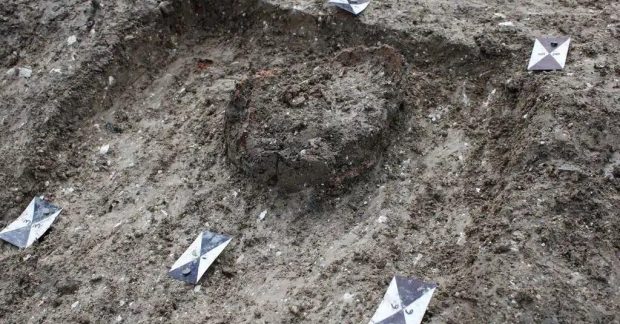
During preparatory work for a sports field in Buckinghamshire, UK, researchers from Cotswold Archaeology uncovered a Roman-era archaeological artifact. A ceramic vessel was found buried upside down, containing the remains of an approximately nine-month-old infant.
A notable feature of the find is the presence of ritual offerings: near the rim of the pot, archaeologists discovered the remains of an adult chicken and a small songbird. Radiocarbon analysis confirmed that the burial dates to between the 3rd and 4th centuries AD, corresponding to the late stage of Roman rule on the British Isles.
Mediterranean traditions on British soil
Burying infants in ceramic vessels was a common practice in the Mediterranean, but such cases are rare in Britain. Experts suggest that the family performing this rite may have had Mediterranean roots, although there is no direct evidence for this at present.
In total, nine Roman burials were discovered at the site. Researchers note that such findings provide deeper insight into the daily lives and beliefs of people who lived in rural settlements at that time and maintained trade links with distant regions of the empire.
Source UNIAN — unian.ua/science/arheologi-znayshli-pohovannya-rimskogo-nemovlyati-… ↗
Read next
 🏛️Politics
Russian Missiles Violate Polish Airspace: Incident Details
Polish officials have reported a deliberate violation of the country's airspace by Russian missiles and a drone during an overnight attack on Ukraine.
 💡Tech
Nighttime UAV Attack: Technological Challenges and Countermeasures
On the night of November 23, Ukraine faced a drone attack, highlighting the ongoing evolution of aerial threats and defense systems.
 💼Economy
Home Energy Efficiency: A Scandinavian Method to Stop Drafts
A simple and budget-friendly hack using regular plastic wrap can help Malyn residents improve window insulation and reduce heating bills.
 💡Tech
Investigation in Poland: New details on Russian missile production revealed
Polish investigators have determined that three Russian X-101 cruise missiles that violated the country's airspace were manufactured in late 2026.
 👥Society
Tragedy in Dymer: death toll from attack rises to seven
Rescuers have recovered another body from the rubble of a residential building in Dymer. Search and rescue operations at the site of the Russian strike are ongoing.
 🏛️Politics
Donald Trump threatens Iran with new military strikes after the New Year
President Donald Trump has warned of potential military action against Iran, citing a lack of progress in diplomatic negotiations.