Foil test helps identify the hidden cause of damp walls and mold
A simple DIY test using aluminum foil can help homeowners discover where moisture on their walls is coming from.
 💼Economy
Photo: TSN
Key points
- Wall dampness can be caused by indoor condensation or structural water ingress.
- An aluminum foil test helps differentiate between surface and internal moisture.
- Monitoring indoor humidity and improving ventilation prevent mold growth.
With the arrival of colder weather, many households face a common issue: damp patches appearing on walls, peeling paint, and mold forming in room corners. Often, residents try to quickly mask these defects with fresh wallpaper or paint, but such cosmetic repairs only temporarily hide the issue. Experts note that successful mold prevention requires identifying the actual root cause of indoor dampness.
Where does excess moisture come from?
High indoor humidity is frequently caused by everyday household activities combined with inadequate ventilation. When warm, moisture-laden air comes into contact with cold exterior walls, it turns into liquid water droplets. Alternatively, moisture can infiltrate structural walls from the outside due to damaged roofing, facade cracks, or plumbing leaks.
How to perform the aluminum foil test
To distinguish between surface condensation and deep-seated wall moisture, specialists recommend a quick household test using a piece of aluminum foil. A 20 by 20 centimeter square should be taped tightly over the damp spot, ensuring all edges are completely sealed. If water droplets appear on the room-facing side of the foil after a day or two, indoor condensation is the likely culprit. If the side facing the wall is wet, it indicates moisture is trapped within the wall material itself.
This simple test does not provide a definitive diagnosis, but it serves as a helpful indicator for further investigation.
To maintain a healthy indoor environment, residents should monitor humidity levels using an affordable hygrometer and ensure proper heating and ventilation. If patches continue to grow or walls remain persistently wet, professional inspection is recommended before undertaking major repairs.
Source TSN — tsn.ua/other/chomu-ziavliayetsia-plisniava-ta-mokriiut-stinyi-test-iz-f… ↗
Read next
 🧠AI Analysis
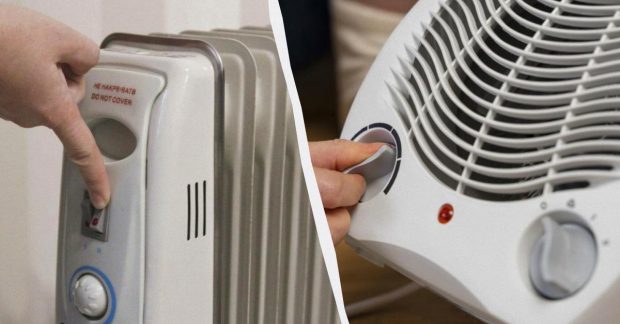
How to Choose an Efficient Heater for Winter: A Comparison of Devices
Experts analyzed the efficiency and power consumption of convection heaters, oil-filled radiators, and fan heaters for home heating during the cold season.
 🛡️Security
Power supply restored in Sarny district following attack
Following a major blackout caused by a Russian strike on November 20, energy workers have restored electricity to over 50 settlements in the Sarny district.
 🛡️Security
Seven-year-old boy rescued after 14 hours under rubble in Dymer
Emergency services pulled a child from the ruins of an apartment building destroyed by an enemy drone in the Vyshhorod district.
 🎭Culture & Sport
Autumn Rose Care: Tips for Malyn Gardeners
Experts explain why it is better to delay radical pruning of roses until persistent cold weather sets in.
 🛡️Security
Frontline update: 143 combat engagements and intense enemy airstrikes
The General Staff of the Armed Forces of Ukraine reported on the intensity of hostilities as of the evening of November 22, noting high activity of enemy aviation and dro…
 🇺🇦Ukraine
Estonia supports Ukraine's right to self-defense following incident in Gulf of Finland
Estonian Foreign Minister Margus Tsahkna stated that the strike on a Russian vessel is a consequence of Russian aggression, affirming Ukraine's right to defend itself.