What Putin's 'Nuclear Briefcase' Actually Contains: An Analysis of the 'Cheget' System
An analysis of the Russian nuclear command and control system, which returned to the spotlight following the Russian president's visit to China.
 🧠AI Analysis
Photo: TSN
Key points
- The 'Cheget' system is a communication channel, not a launch trigger
- The device is part of the broader 'Kazbek' command infrastructure
- The public appearance of the briefcase is viewed by experts as a political demonstration
The Secrets of the 'Cheget' System
During Vladimir Putin's recent visit to China, the black briefcase accompanying the Russian leader drew significant international attention. Military officials confirmed it was the 'Cheget' device, a critical component of Russia's nuclear command and control infrastructure. Contrary to popular myths, the briefcase does not contain a 'red button' for the immediate launch of missiles.
Developed in 1983, the system functions as a secure communication channel. It is integrated into the 'Kazbek' and 'Kavkaz' infrastructure, enabling the president to maintain constant contact with top military commanders. According to open-source data, similar devices are held by three key officials: the president, the minister of defense, and the chief of the general staff.
Political Theater or Real Threat?
Experts view the public display of the 'Cheget' on Russian state television as a form of 'political theater.' Simon Mabon, a professor at Lancaster University, suggests that the Kremlin uses such displays to emphasize its status in global geopolitical games amid ongoing debates over nuclear arms control.
The display occurs against a backdrop of frequent nuclear threats from the Russian leadership. Notably, during meetings of the Valdai Discussion Club, Putin has repeatedly hinted at the potential use of weapons of mass destruction, forcing the global community to closely monitor any movements of the Russian nuclear command.
Source TSN — tsn.ua/svit/iaderna-valizka-putina-shcho-naspravdi-vseredyni-ta-chy-ye-… ↗
Read next
 🏛️Politics
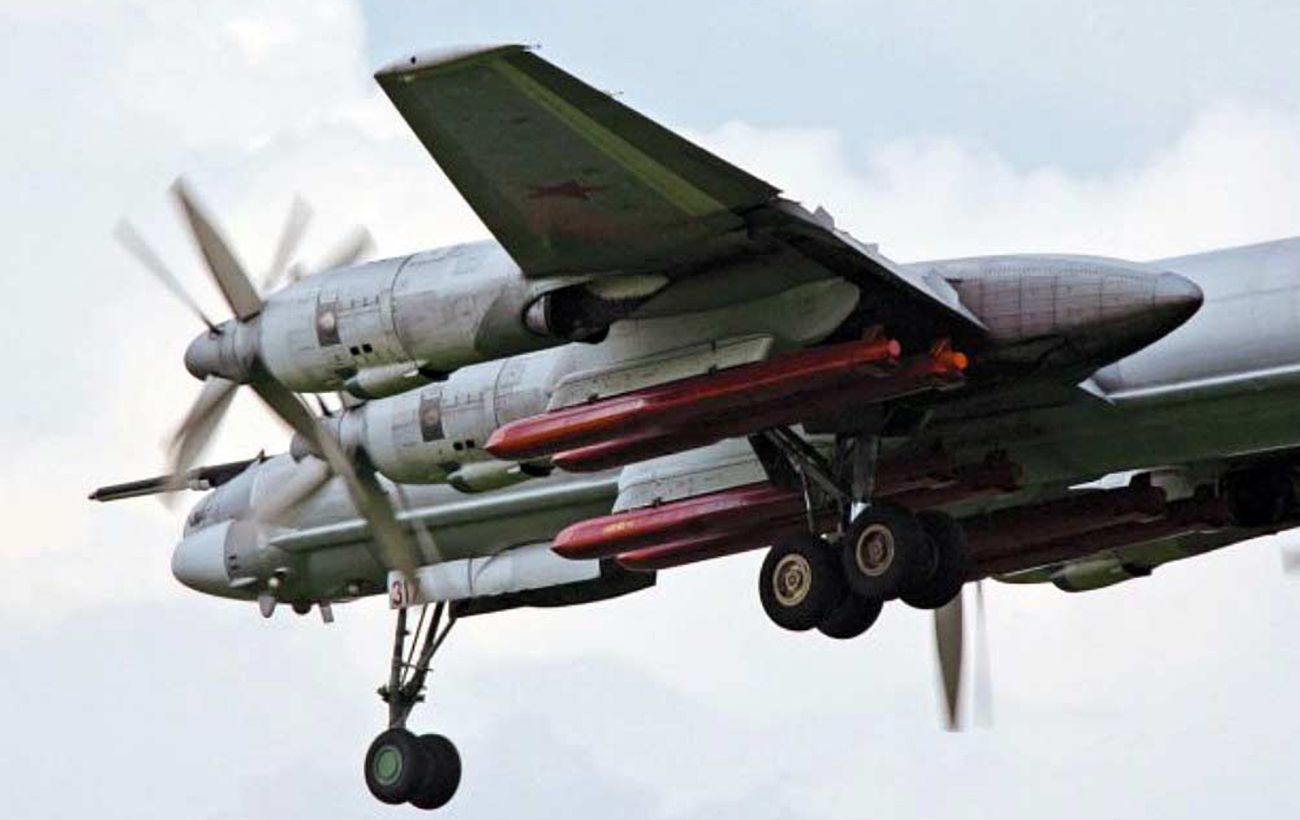
Fragments of latest Russian missiles found in Poland
Debris from Russian Kh-101 cruise missiles, manufactured in late 2026, has been discovered in eastern Poland, prompting an emergency NATO meeting.
 💼Economy
Charity auction in Lviv region raises UAH 60 million for Ukrainian defenders
A charity auction in the Lviv region successfully raised UAH 60 million to support the Armed Forces of Ukraine and veteran rehabilitation.
 🏛️Politics
Russian Missiles Violate Polish Airspace: Incident Details
Polish officials have reported a deliberate violation of the country's airspace by Russian missiles and a drone during an overnight attack on Ukraine.
 💡Tech
Nighttime UAV Attack: Technological Challenges and Countermeasures
On the night of November 23, Ukraine faced a drone attack, highlighting the ongoing evolution of aerial threats and defense systems.
 💼Economy
Home Energy Efficiency: A Scandinavian Method to Stop Drafts
A simple and budget-friendly hack using regular plastic wrap can help Malyn residents improve window insulation and reduce heating bills.
 💡Tech
Investigation in Poland: New details on Russian missile production revealed
Polish investigators have determined that three Russian X-101 cruise missiles that violated the country's airspace were manufactured in late 2026.